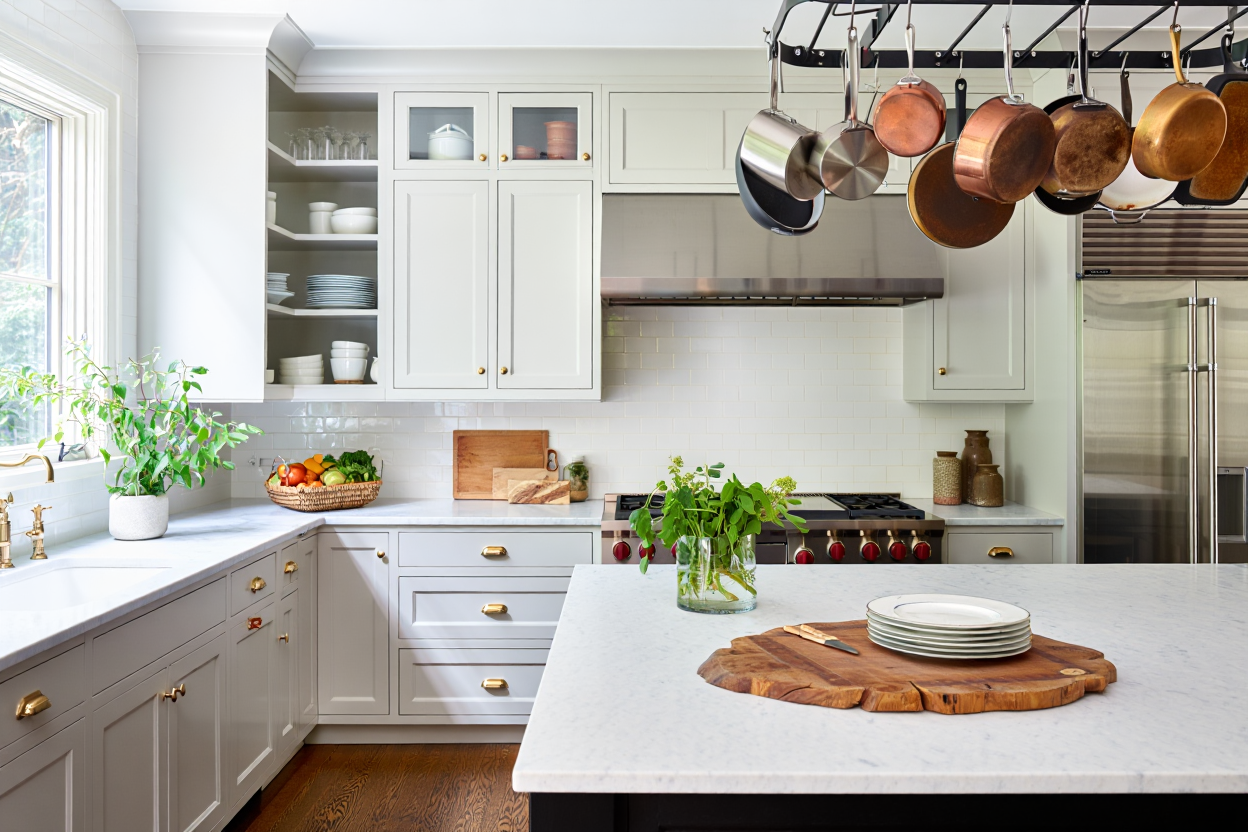
1. Install Adjustable Shelving
Replace fixed shelves with adjustable ones to customize space for different container heights and maximize vertical storage.
2. Use Clear Storage Containers
Transfer dry goods to airtight clear containers for easy identification and freshness. Label everything clearly.
3. Create Zones for Different Food Types
Group similar items together - baking supplies, snacks, canned goods - for quick location and inventory management.
4. Add Drawer Dividers
Use adjustable dividers to organize utensils, gadgets, and small items. Prevents everything from becoming a jumbled mess.
5. Install Pull-Out Shelves
Transform deep cabinets with pull-out shelves or lazy Susans to access items in the back without removing everything in front.
6. Utilize Cabinet Door Space
Mount racks on cabinet doors for spices, cleaning supplies, or cutting boards to maximize every inch of storage.
7. Designate Appliance Zones
Create specific areas for coffee station, prep work, and cooking to streamline workflow and reduce clutter.
8. Use Vertical Wall Storage
Install magnetic strips for knives, hooks for utensils, and rail systems to keep counters clear while maintaining easy access.
Bonus Tip
Implement the one in, one out rule - when you bring a new kitchen item home, donate or discard something you no longer use to maintain organization.
What to Avoid
- Storing heavy items in upper cabinets where they are hard to reach safely
- Using valuable counter space for items you rarely use
- Mixing food storage containers without a matching lid system
- Ignoring expiration dates when organizing pantry items
- Creating zones that do not match your actual cooking habits