14 Kids Room Organization Tips Parents Actually Use
Sponsored
Book Professional Carpet Cleaning
Deep cleaning. Pet stains. Same-day available.
Filter by difficulty:
1
Use Clear Storage Bins with Picture Labels
🟢 beginner 🔥 high Impact
Label bins with both words and pictures so young children can find and put away toys independently.
2
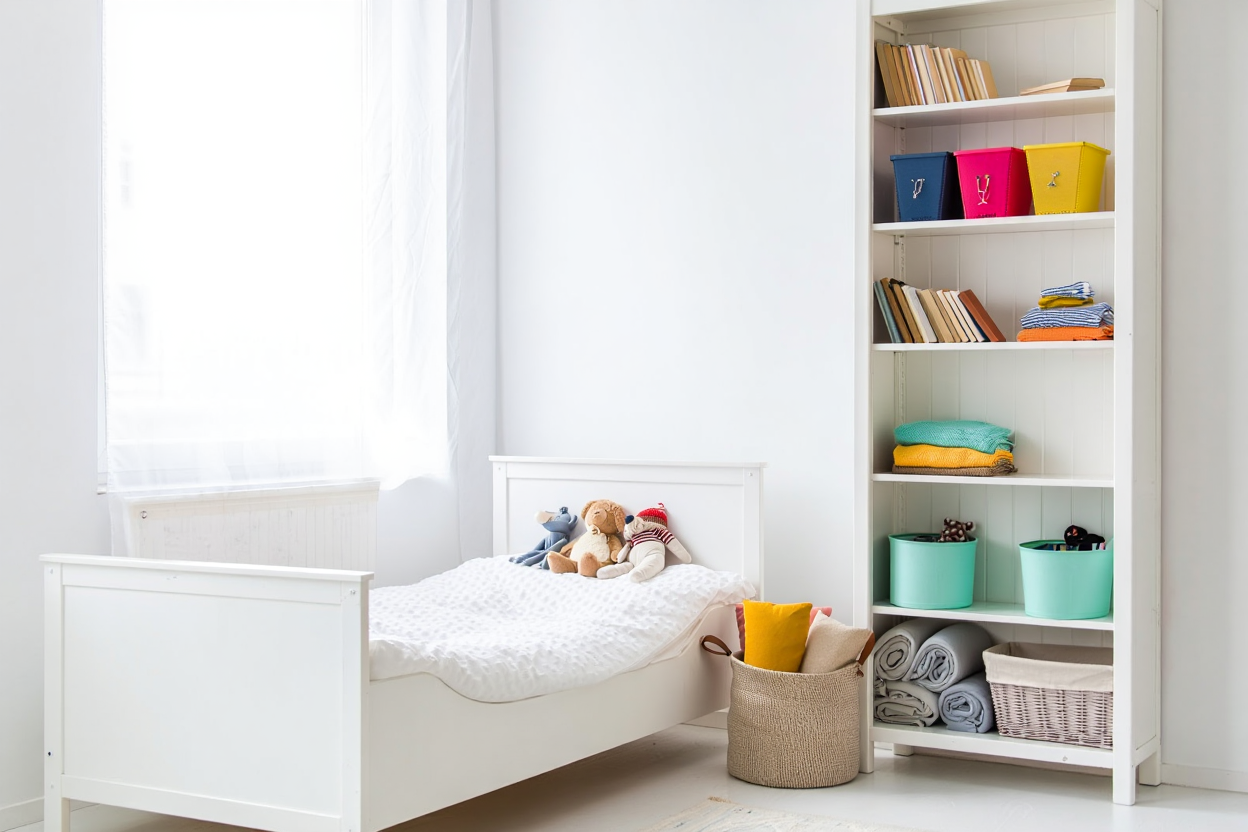
Create Low-Height Open Shelving
🟡 intermediate 🔥 high Impact
Install shelves at child height for easy access to books and frequently used toys without adult assistance.
3
Designate One-Toy-Out Rule Zones
🟢 beginner 💪 medium Impact
Create specific areas where only one type of toy can be out at a time, teaching kids to clean up before moving to the next activity.
4
Use Drawer Dividers for Small Clothes
🟢 beginner 💪 medium Impact
Organize socks, underwear, and accessories with adjustable dividers so kids can dress themselves successfully.
5
Install Lower Closet Rods
🟡 intermediate 🔥 high Impact
Add a second rod at child height so kids can hang up their own clothes and select outfits independently.
6
Create a Backpack and Lunch Station
🟢 beginner 💪 medium Impact
Designate a specific area near the room entrance for school supplies, backpacks, and tomorrow clothes.
7
Use Rolling Art Supply Carts
🟢 beginner 👍 standard Impact
Mobile organization for art supplies that can move between desk and floor play, with easy cleanup.
8
Install Wall-Mounted Desk Organizers
🟡 intermediate 💪 medium Impact
Save desktop space with wall-mounted pencil cups, paper sorters, and supply holders within child reach.
🎁
Bonus Tip
Involve kids in the organization process by letting them choose bin colors and help with labeling - they are more likely to maintain systems they helped create.
Sponsored