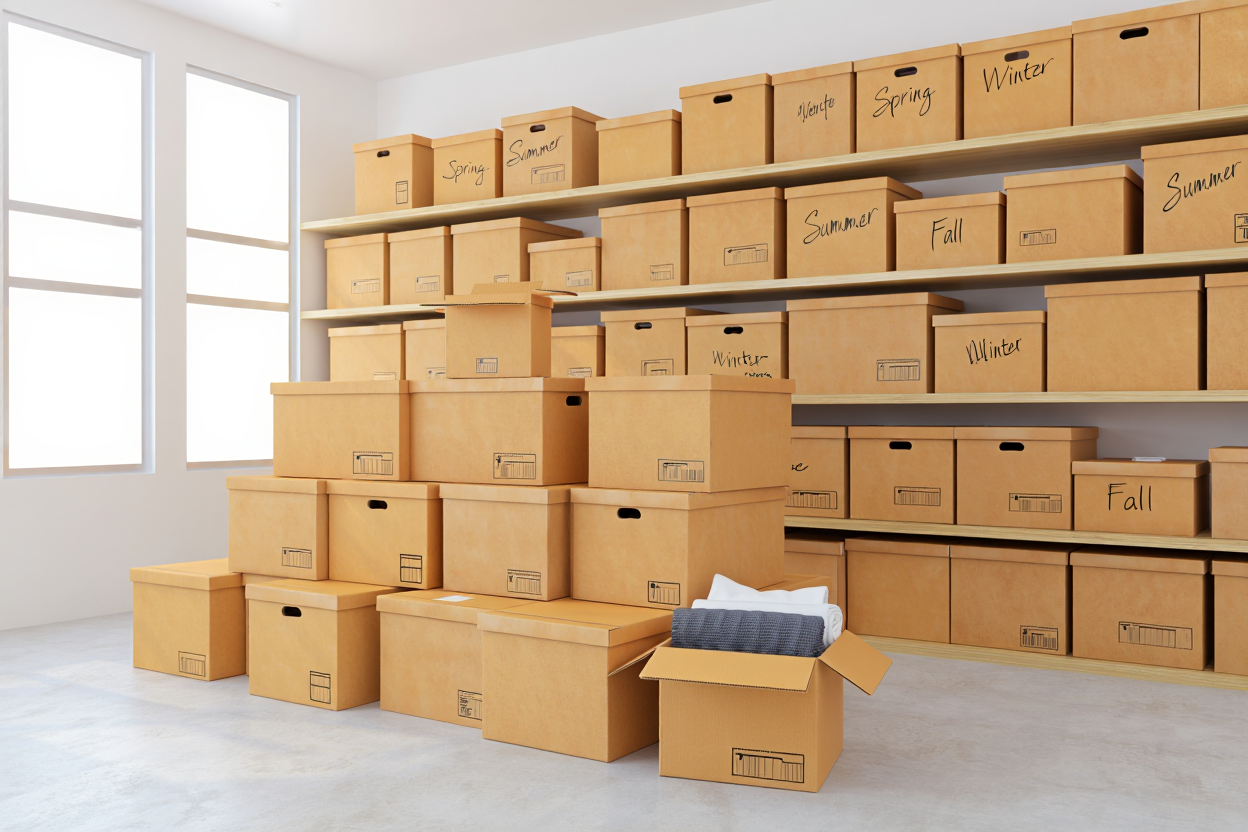
Seasonal Timeline
Spring (March-May)
Planning and prep with variable weather conditions
-
Create move command center
Track quotes, receipts, contracts, and utility dates in one shared document. Assign owners for each major task to avoid last-minute gaps.
-
Begin non-essential packing by room
Pack seasonal décor, off-season clothing, and archives first. Label boxes with room + priority level for faster unpacking.
-
Schedule utility disconnect/connect dates
Set overlap windows for power, water, and internet. Confirm final meter-read process and any required deposits.
-
Prepare rain-safe packing materials
Use plastic bins or liner bags for electronics, documents, and textiles. Keep extra towels and floor runners for wet conditions.
Summer (June-August)
Peak demand move execution with heat considerations
-
Confirm mover details 72 hours before move
Re-verify arrival window, crew size, truck access, and contact numbers. Peak season miscommunications are common and costly.
-
Build heat-protection plan for people and items
Stage water, electrolyte drinks, fans, and shaded rest points. Keep medications, candles, and electronics in climate-controlled vehicles.
-
Pack essentials-first boxes
Prepare first-night kits with toiletries, bedding, chargers, pet supplies, and basic kitchen gear to avoid immediate unpack chaos.
-
Document high-value items pre-load
Photograph condition of furniture and electronics before loading. This supports faster claims if transit damage occurs.
Fall (September-November)
Efficient move completion and setup optimization
-
Deep-clean new home before full unpack
Clean high-touch and hidden areas before furniture placement. It is significantly faster before rooms are filled.
-
Prioritize functional unpack zones
Set up bedrooms, bathrooms, and kitchen first, then work by daily-use priority. This restores routine quickly.
-
Inspect delivered items against inventory
Check box counts and condition before signing final completion. Report missing/damaged items within contract deadlines.
-
Update address and critical accounts
Change address for USPS, banks, employer, insurance, and subscriptions. Keep a checklist to avoid billing disruptions.
Winter (December-February)
Weather-contingent operations and safe setup
-
Build snow/ice day-of protocol
Salt walkways, protect flooring, and allow extra loading time. Keep weather backup dates in case roads become unsafe.
-
Protect fragile items from temperature shock
Acclimate electronics and glassware before powering or unpacking. Sudden temperature changes can cause condensation damage.
-
Verify heating and hot water immediately
Confirm furnace/boiler operation, thermostat control, and water heater performance on move-in day in cold weather.
-
Reconcile final invoices and deposits
Review mover charges, utility finals, and lease/mortgage settlement documents. Dispute errors quickly while records are fresh.
Quick Reference Calendar
| Month | Tasks | Period |
|---|---|---|
| January | 0 tasks | |
| February | 4 tasks | Winter (December-February) |
| March | 4 tasks | Spring (March-May) |
| April | 0 tasks | |
| May | 4 tasks | Spring (March-May) |
| June | 4 tasks | Summer (June-August) |
| July | 0 tasks | |
| August | 4 tasks | Summer (June-August) |
| September | 4 tasks | Fall (September-November) |
| October | 0 tasks | |
| November | 4 tasks | Fall (September-November) |
| December | 4 tasks | Winter (December-February) |
Pro Tips
Color-code labels by room to speed unloading and reduce crew questions.
Keep one toolbox and one cleaning tote accessible in your personal vehicle, not on the moving truck.
Plan for a 10-15% budget buffer for last-minute supplies, delays, or access complications.