1. Map high-risk pet zones in your home
Identify entry paths, feeding areas, nap spots, and scratch points. Targeting these hotspots first can cut repeat cleanup time by 30% or more.
2. Choose surfaces by cleanability score
For floors and fabrics, prioritize water resistance, seam density, and scratch tolerance over appearance alone. Durable materials lower replacement frequency.
3. Use layered protection at transition points
Place washable runners, mats, and barrier pads near doors and litter or feeding zones. Layers absorb impact and make cleanup faster.
4. Create a routine grooming schedule
Brushing 2-4 times weekly and regular paw cleaning reduces tracked debris, allergen load, and abrasion on interior surfaces.
5. Treat stains with enzyme cleaners first
Enzyme formulas break down organic residue and odor compounds better than general-purpose sprays. Follow dwell-time instructions for best results.
6. Test products in hidden spots
Always patch-test cleaners, sealants, or repellents to avoid discoloration or surface damage. A 5-minute test can prevent expensive refinishing.
7. Ventilate during any chemical treatment
Open windows and run fans while using cleaning products or pest control options. Better airflow lowers respiratory irritation risk for pets and people.
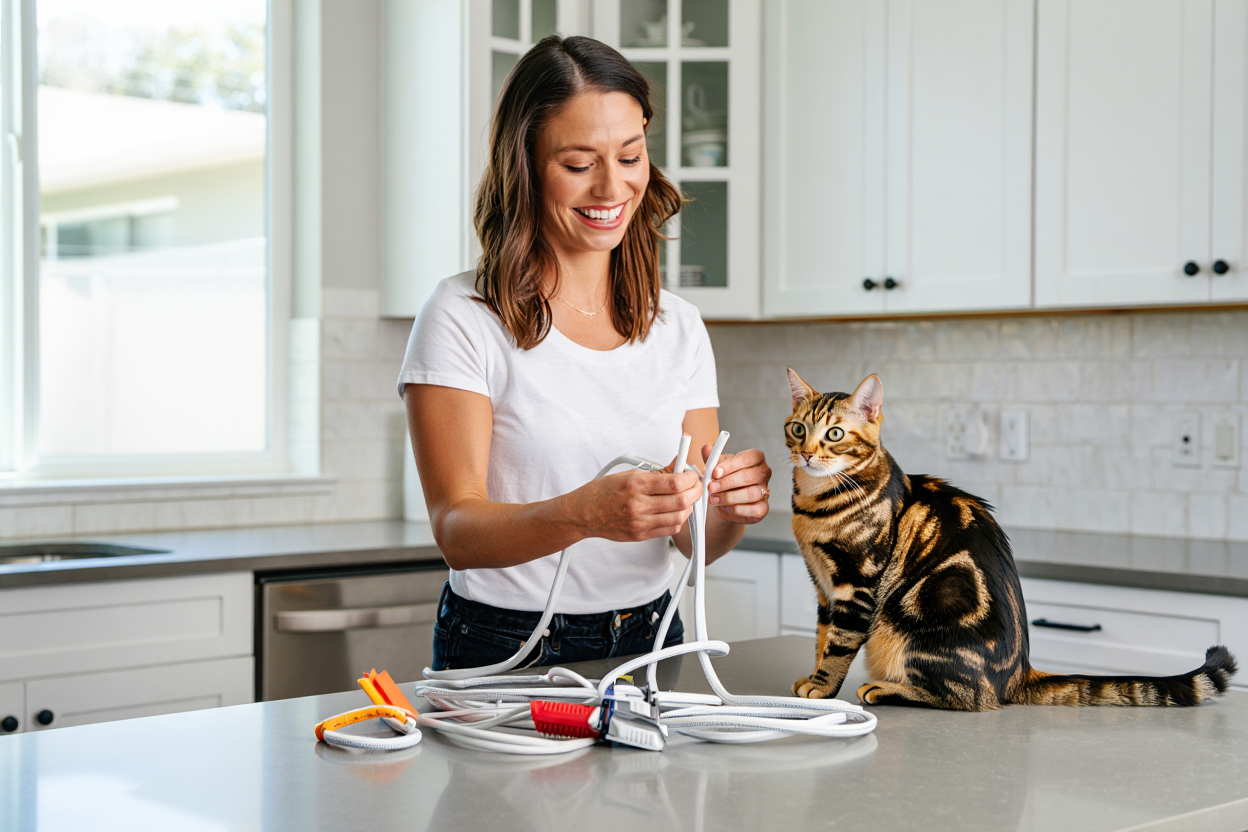
8. Secure cords, toxins, and chew hazards
Bundle cables, elevate plants, and lock cleaners in closed cabinets. Environmental control prevents many preventable emergency vet visits.
9. Stock a fast-response pet cleanup kit
Keep gloves, absorbent towels, stain spray, odor neutralizer, and spare liners in one caddy. Response within minutes dramatically improves stain outcomes.
10. Rotate washable covers every 7-10 days
Frequent textile rotation lowers odor buildup and extends furniture life. Keep one clean backup set ready to avoid laundry delays.
11. Track problem patterns by time and location
Simple logs can reveal triggers like feeding schedule, weather, or visitor stress. Pattern tracking helps solve root causes instead of repeating cleanup.
12. Review pet-safe product labels quarterly
Manufacturers reformulate products over time, so confirm ingredients and usage instructions regularly. Label checks keep your setup safe and current.
Bonus Tip
Take one photo per room after a full reset and use it as your baseline. Visual baselines make weekly touch-ups faster because you can spot drift instantly.
What to Avoid
- Using bleach-heavy or ammonia products around pets
- Choosing decor and flooring by looks alone
- Letting small odor issues compound for weeks
- Ignoring scratch and chew patterns in specific zones
- Storing pet meds and cleaners in open-access areas