1. Track annual total cost of ownership
Include fuel or charging, insurance, registration, maintenance, repairs, and depreciation. Full-cost visibility improves upgrade and replacement decisions.
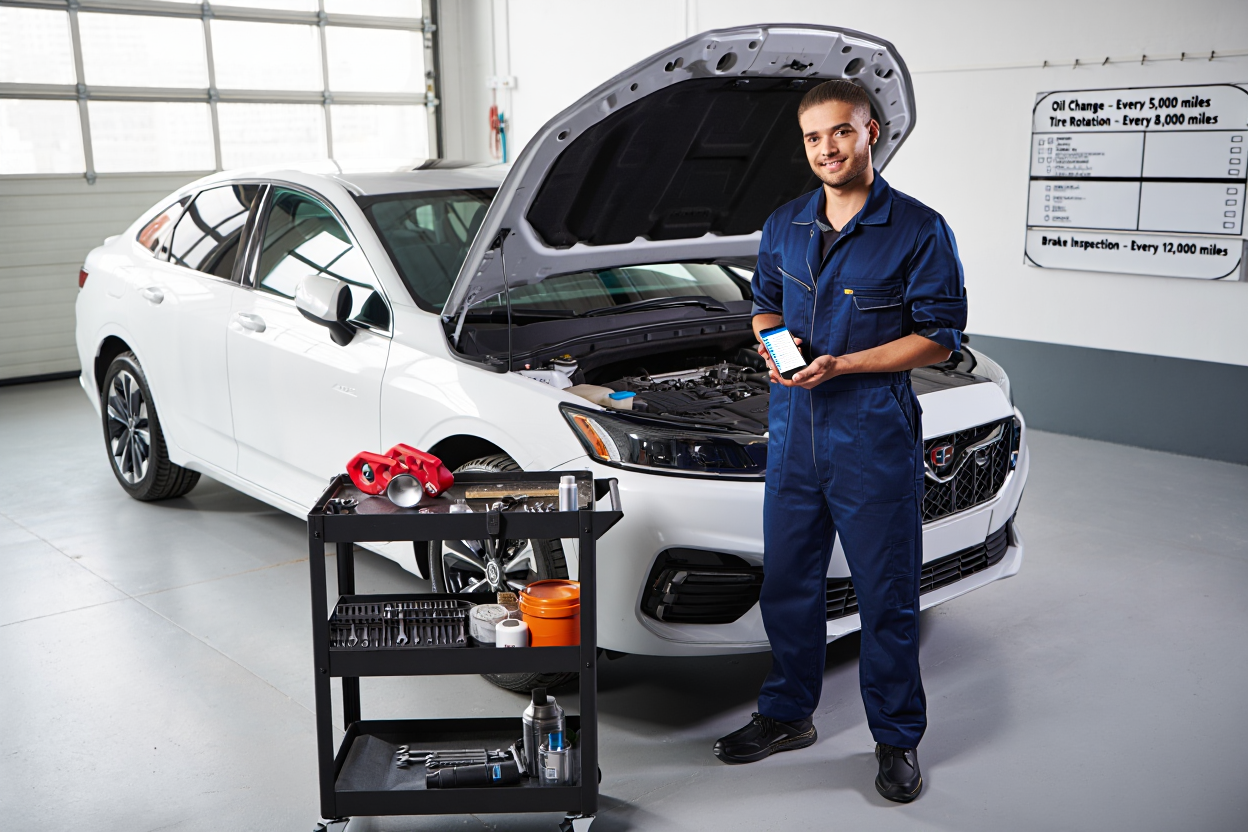
2. Set service intervals by mileage and time
Use manufacturer guidance plus driving conditions to set recurring reminders for fluids, filters, tires, and inspections.
3. Review insurance limits and deductibles yearly
Coverage should match current vehicle value, commute risk, and household budget tolerance. Small adjustments can save meaningful premiums.
4. Create a roadside and emergency plan
Keep contacts, coverage info, and roadside essentials ready before long trips or severe weather periods.
5. Inspect tires monthly for pressure and wear
Correct pressure improves braking and fuel efficiency while reducing uneven wear that shortens tire life.
6. Handle small warning signs immediately
Address vibrations, fluid spots, warning lights, and unusual noise early. Delayed repairs often multiply final cost.
7. Compare repair estimates with parts detail
Request line-item labor and parts quality (OEM vs aftermarket) from at least two shops for major work.
8. Use seasonal prep checklists
Before winter or road trips, verify battery health, fluids, brakes, and wipers to reduce preventable failures.
9. Calculate five-year ownership projections before buying
Estimate purchase price, financing, maintenance, and insurance across 60 months to compare options fairly.
10. Verify warranty coverage exclusions in writing
Many plans exclude wear items or require strict service records. Read terms before paying for extended coverage.
11. For used vehicles, prioritize inspection over cosmetics
A pre-purchase inspection can expose hidden mechanical issues that exceed any initial purchase discount.
12. Reprice insurance after major life changes
Moves, mileage shifts, multi-car changes, and teen driver additions can significantly alter premiums and coverage needs.
Bonus Tip
Keep a digital maintenance log with receipts and mileage. Clean documentation increases resale value and prevents coverage disputes for warranty claims.