Seasonal Timeline
Spring (March-May)
Focus on flood, tornado, and severe thunderstorm readiness
-
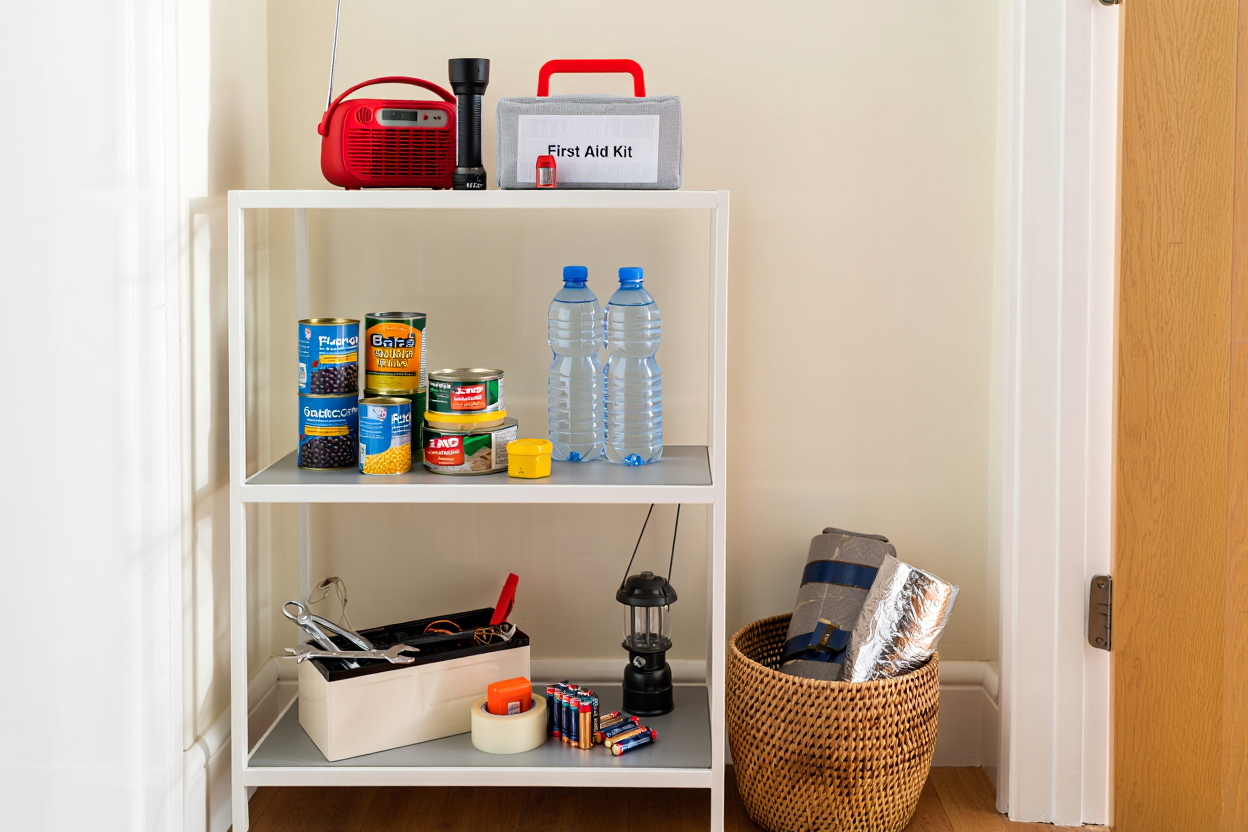
Refresh 72-hour emergency kits
Replace expired food, water, medications, and batteries. Verify each family member has weather-appropriate clothing and personal essentials.
-
Review flood zones and insurance coverage
Check FEMA flood maps and verify policy limits and deductibles. Photograph valuables and store copies of policies in cloud storage.
-
Test backup power options
Run generator or battery backup for 20-30 minutes under load. Confirm fuel supply, extension cords, and safe ventilation setup.
-
Practice family shelter drill
Run a timed tornado/severe weather drill to your safest interior room. Include pets, mobility aids, and nighttime scenarios.
Summer (June-August)
Prepare for heat waves, wildfires, and hurricane season
-
Create heat emergency plan
Identify cooling centers, hydration supplies, and signs of heat illness. Build a check-in routine for seniors and medically vulnerable household members.
-
Stage hurricane supplies and shutters
Pre-position plywood, shutters, straps, and sandbags before storms form. Early staging avoids shortages and high pre-storm prices.
-
Reduce wildfire fuel around home
Clear dead vegetation, trim branches away from roof, and move firewood from structures. Maintain a 0-5 foot ember-resistant zone.
-
Update evacuation routes and go-bags
Map two routes per destination and account for road closures. Keep go-bags in vehicles with chargers, cash, IDs, and pet supplies.
Fall (September-November)
Transition to storm, wind, and early freeze resilience
-
Inspect roof, gutters, and drainage
Remove debris and fix loose shingles before heavy rain and wind events. Ensure downspouts discharge away from the foundation.
-
Stock cold-weather emergency supplies
Add blankets, hand warmers, and non-electric cooking options. Increase pantry and water reserves to 5-7 days.
-
Service furnace and carbon monoxide detectors
Schedule HVAC maintenance and replace detector batteries. Test alarms in every sleeping area and common hallway.
-
Review school/work emergency contacts
Verify alert systems, reunification plans, and out-of-area contacts. Share a printed contact card with all family members.
Winter (December-February)
Prepare for freezes, ice storms, and prolonged outages
-
Protect pipes and water systems
Insulate exposed pipes, seal drafts near plumbing, and learn shutoff valve locations. Keep drip plans and emergency thaw supplies ready.
-
Build outage-ready heating plan
Identify safe supplemental heating and one warm room strategy. Store fuel according to code and review fire safety practices.
-
Winterize vehicles for emergency travel
Equip cars with chains (where needed), scrapers, blankets, and traction aids. Keep fuel tanks above half during storm windows.
-
Run a 24-hour no-power drill
Simulate a winter outage to test food, heat, charging, and communication plans. Document gaps and update checklists.
Quick Reference Calendar
| Month | Tasks | Period |
|---|---|---|
| January | 0 tasks | |
| February | 4 tasks | Winter (December-February) |
| March | 4 tasks | Spring (March-May) |
| April | 0 tasks | |
| May | 4 tasks | Spring (March-May) |
| June | 4 tasks | Summer (June-August) |
| July | 0 tasks | |
| August | 4 tasks | Summer (June-August) |
| September | 4 tasks | Fall (September-November) |
| October | 0 tasks | |
| November | 4 tasks | Fall (September-November) |
| December | 4 tasks | Winter (December-February) |
Pro Tips
Store critical documents in both waterproof pouches and encrypted cloud folders so you can access them during evacuation.
Buy seasonal preparedness items 1-2 months early to avoid storm-driven shortages and price spikes.
Assign one person as communications lead during emergencies to reduce confusion and duplicate actions.