1. Define your top three local risk scenarios
Prioritize plans for hazards most likely in your area, such as storms, flooding, wildfire smoke, or prolonged outages.
2. Set clear trigger points for action
Decide in advance when to shelter, evacuate, or relocate based on alerts, flood levels, wind thresholds, or utility status.
3. Assign household roles and backups
Give each person specific responsibilities for pets, medications, documents, and transport so no critical task is missed.
4. Create a 72-hour and 14-day resource model
Plan for short disruptions and longer service outages with different supply assumptions and refill options.
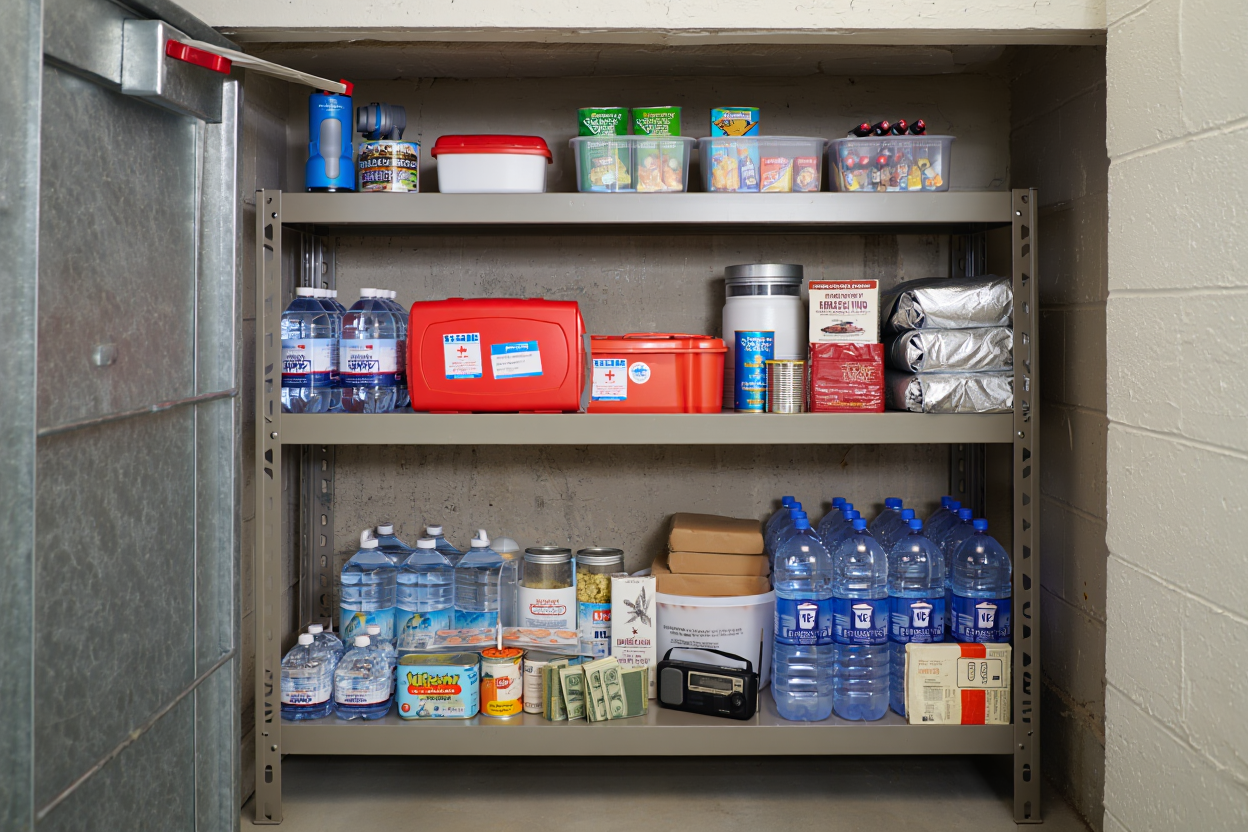
5. Assemble kits by location and use case
Maintain separate home, vehicle, and go-bag kits rather than one oversized bin. Distributed kits improve real-world accessibility.
6. Protect critical documents in two formats
Store IDs, insurance, prescriptions, and property records in both waterproof physical storage and encrypted cloud access.
7. Plan communication when networks fail
Use out-of-area contacts, predetermined check-in windows, and alternate channels like SMS-first or radio options.
8. Stage backup power for essential loads
Prioritize refrigeration for medications, communication devices, and minimal lighting before non-essential appliances.
9. Run a timed household drill quarterly
Practice evacuation routes, go-bag loading, and contact notifications under time pressure to expose weak points.
10. Rotate expiring supplies every 6 months
Check food, meds, batteries, and water treatment items on a fixed schedule to avoid unusable inventory.
11. Review insurance coverage against scenario losses
Confirm deductibles, exclusions, and limits for flood, wind, fire, and temporary living expenses before disaster season.
12. Document post-drill lessons and assign fixes
Capture what failed, who owns each improvement, and completion dates. Written follow-up converts drills into better readiness.
Bonus Tip
Use color-coded readiness levels (green/yellow/red) tied to specific actions. Simple visual states reduce hesitation when alerts escalate quickly.
What to Avoid
- Stockpiling supplies without clear action triggers
- Keeping emergency contacts only on one device
- Assuming standard homeowners coverage includes all hazards
- Running no-practice plans that look good only on paper
- Failing to update kits after family or health changes