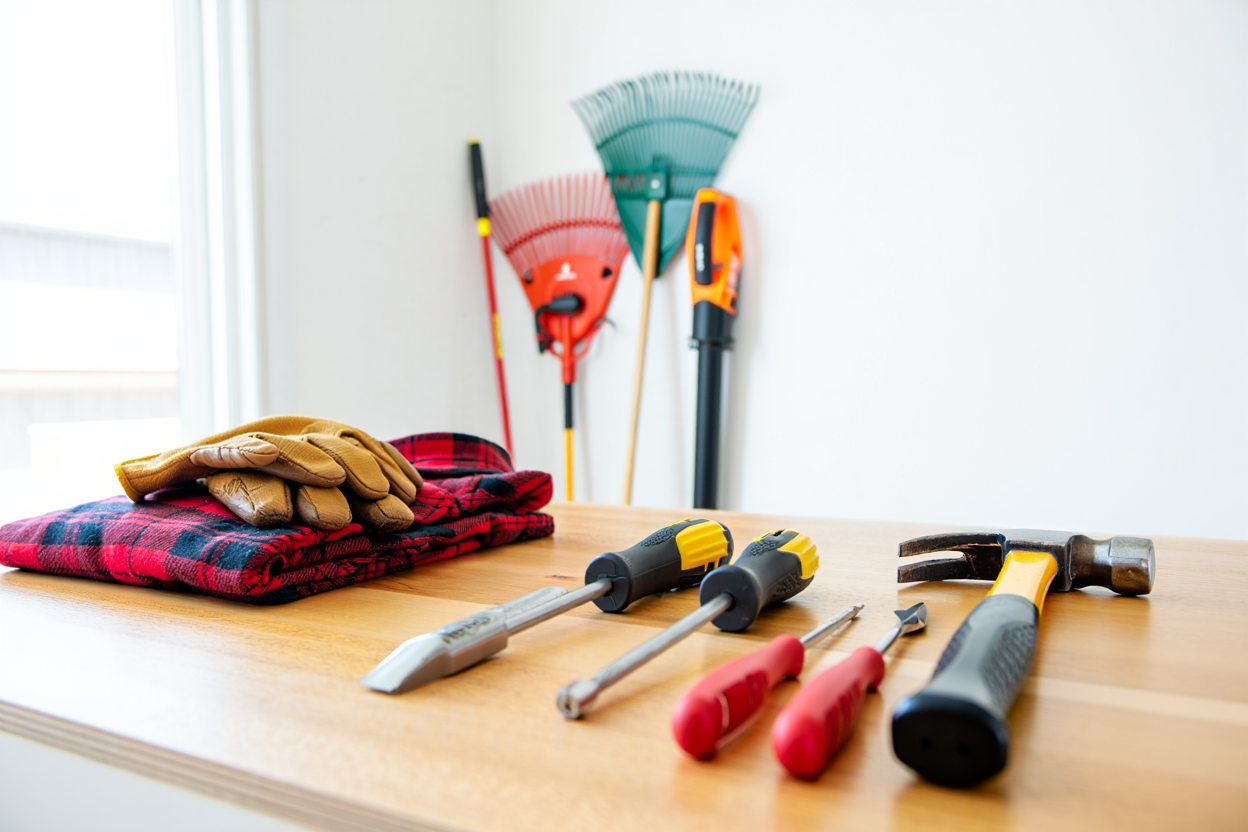
1. Start with roof, drainage, and exterior checks
A 20-minute visual inspection can catch loose shingles, blocked gutters, and grading issues before they become water damage claims.
2. Inspect HVAC filters and airflow paths
Replace filters every 60-90 days and clear supply vents. Better airflow improves comfort and can reduce runtime-related energy waste by 5-10%.
3. Test smoke/CO alarms by zone
Press-test every unit and replace weak batteries immediately. Consistent quarterly testing is one of the cheapest high-impact safety habits.
4. Check caulk and weather seals
Re-seal gaps around windows, doors, and fixtures before weather shifts. Small drafts and leaks can create surprisingly high utility and moisture costs.
5. Batch tasks by tool and location
Do all ladder tasks together, then indoor filter tasks, then yard tasks. Batching reduces setup friction and helps finish in one 2-3 hour block.
6. Use a 30-60-90 day maintenance board
Assign light tasks monthly, medium tasks every 60 days, and deep checks quarterly. Visual cadence prevents forgetfulness during busy seasons.
7. Pre-buy seasonal consumables
Keep filters, sealant, bulbs, and drain guards in a labeled bin. Buying in advance avoids emergency hardware store trips and premium pricing.
8. Document before/after photos
Photo logs create a maintenance history that speeds troubleshooting and can support insurance discussions if damage appears later.
9. Create a "call a pro" threshold list
Define limits such as electrical panel work, persistent moisture, or structural cracks. Clear thresholds keep DIY from becoming expensive rework.
10. Reserve a seasonal maintenance budget
Set aside a fixed amount each month for planned upkeep. Even modest funding prevents deferred maintenance from becoming major replacements.
11. Schedule one annual full-home walkthrough
Use a detailed checklist for attic, crawlspace, plumbing, and exterior envelope once per year. Annual audits catch issues early when fixes are cheaper.
12. Close each season with a reset review
Note what failed, what was delayed, and what to move earlier next year. Continuous improvement makes each cycle faster and cheaper.
Bonus Tip
Link maintenance dates to existing routines like payroll or trash day. Habit stacking increases completion rates more than using reminders alone.
What to Avoid
- Only doing cosmetic chores while skipping system checks
- Waiting for obvious damage instead of preventative inspections
- Buying supplies on the same day at premium prices
- Attempting high-risk repairs without skill or permits
- Running seasonal tasks from memory without a checklist