15 Essential Electrical Safety Tips Every DIY Homeowner Must Know (2026)
Sponsored
Talk to a Licensed Electrician
Licensed & insured. Free estimates available.
Filter by difficulty:
1
Always turn off power at the breaker before any electrical work
🟢 beginner 🔥 high Impact
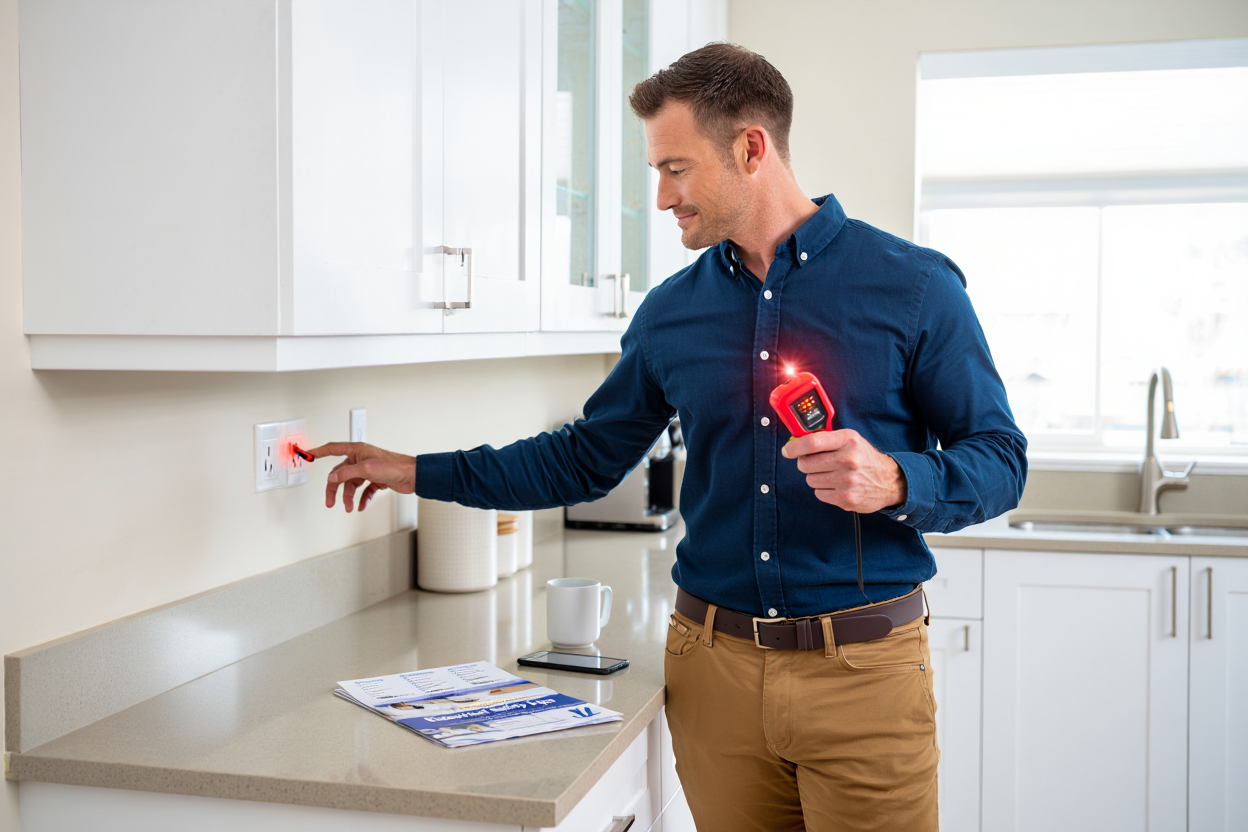
Locate your home's electrical panel and label each breaker clearly. Turn off the specific circuit breaker, then test with a non-contact voltage tester to confirm power is off. Never trust wall switches alone - they can fail.
2
Test outlets monthly with a GFCI tester
🟢 beginner 🔥 high Impact
Press the TEST button on GFCI outlets monthly to ensure they trip properly, then press RESET to restore power. Replace any GFCI outlets that don't trip within 2 seconds or won't reset properly.
3
Never work on live circuits or 'just touch the wires quickly'
🟢 beginner 🔥 high Impact
Even brief contact with live electrical current can cause serious injury or death. Always verify power is off with a voltage tester, not just your eyes or a wall switch.
4
Understand your home's electrical capacity limits
🟡 intermediate 💪 medium Impact
Most homes have 100-200 amp service with 15-20 amp circuits. Don't overload circuits by plugging high-draw appliances into the same outlet or circuit. Calculate total amperage before adding new devices.
5
Keep a basic electrical emergency kit ready
🟢 beginner 💪 medium Impact
Stock circuit breakers for your panel type, wire nuts, electrical tape, voltage tester, and flashlights with extra batteries. Having supplies ready prevents dangerous rushed trips to the store during electrical emergencies.
6
Replace standard outlets with GFCI outlets in wet areas
🟡 intermediate 🔥 high Impact
Turn off power, remove old outlet, and connect new GFCI outlet following the LINE/LOAD labels carefully. GFCI outlets are required in bathrooms, kitchens, and outdoor areas for safety.
7
Install motion-sensor light switches for safety and convenience
🟡 intermediate 💪 medium Impact
Turn off power, remove old switch, and connect motion sensor switch according to manufacturer wiring diagram. These improve safety in hallways, stairs, and entry areas.
8
Replace worn extension cords before they become fire hazards
🟢 beginner 🔥 high Impact
Inspect extension cords monthly for cracked insulation, bent plugs, or exposed wires. Replace immediately if damaged. Use proper gauge wire for the load - 14 AWG for 15 amp circuits, 12 AWG for 20 amp.
9
Install tamper-resistant outlets in homes with young children
🟡 intermediate 🔥 high Impact
Replace standard outlets with TR outlets that have built-in shutters to prevent children from inserting objects. Required by code in new homes and highly recommended for families with small children.
10
Test and replace smoke detector batteries twice yearly
🟢 beginner 🔥 high Impact
Test smoke detectors monthly and replace batteries during daylight saving time changes. Hardwired detectors still need backup battery replacement. Never disable a smoke detector for any reason.
11
Call electrician immediately for burning smells from outlets or panels
🟢 N/A 🔥 high Impact
Any burning odor from electrical components indicates dangerous overheating that could cause fire. Turn off power at the main breaker and call emergency electrician services immediately. Don't delay - electrical fires spread quickly.
12
Flickering lights throughout the house signal serious wiring issues
🟢 N/A 🔥 high Impact
Occasional light dimming when large appliances start is normal, but persistent flickering in multiple rooms indicates loose connections or overloaded circuits requiring professional diagnosis and repair.
13
Outlets or switches that spark, feel warm, or shock you
🟢 N/A 🔥 high Impact
Any electrical shock from switches or outlets indicates dangerous wiring problems. Warm plates suggest overloaded circuits or loose connections. These issues require immediate professional attention to prevent fire or electrocution.
14
Frequent circuit breaker trips indicate overloaded or faulty circuits
🟢 N/A 🔥 high Impact
Circuit breakers should trip rarely. Frequent tripping means you're overloading the circuit or have a wiring fault. Don't just reset - call a professional to diagnose and fix the underlying problem safely.
15
Any work involving the main electrical panel or adding new circuits
🔴 advanced 🔥 high Impact
Main panel work requires permits, special tools, and expertise to work safely around potentially lethal voltages. Adding circuits involves load calculations and code compliance that only licensed electricians should handle.
🎁
Bonus Tip
Install whole-house surge protectors to protect expensive electronics and appliances from power surges. While they cost $300-500 installed, they prevent thousands in damage from lightning strikes and utility company power fluctuations. Your homeowner's insurance may offer discounts for surge protection.
Sponsored