1. Refrigerator not cooling properly - check coils and seals first
Clean condenser coils underneath or behind refrigerator using vacuum and brush. Check door seals for gaps by closing door on dollar bill - if it slides out easily, seals need replacement.
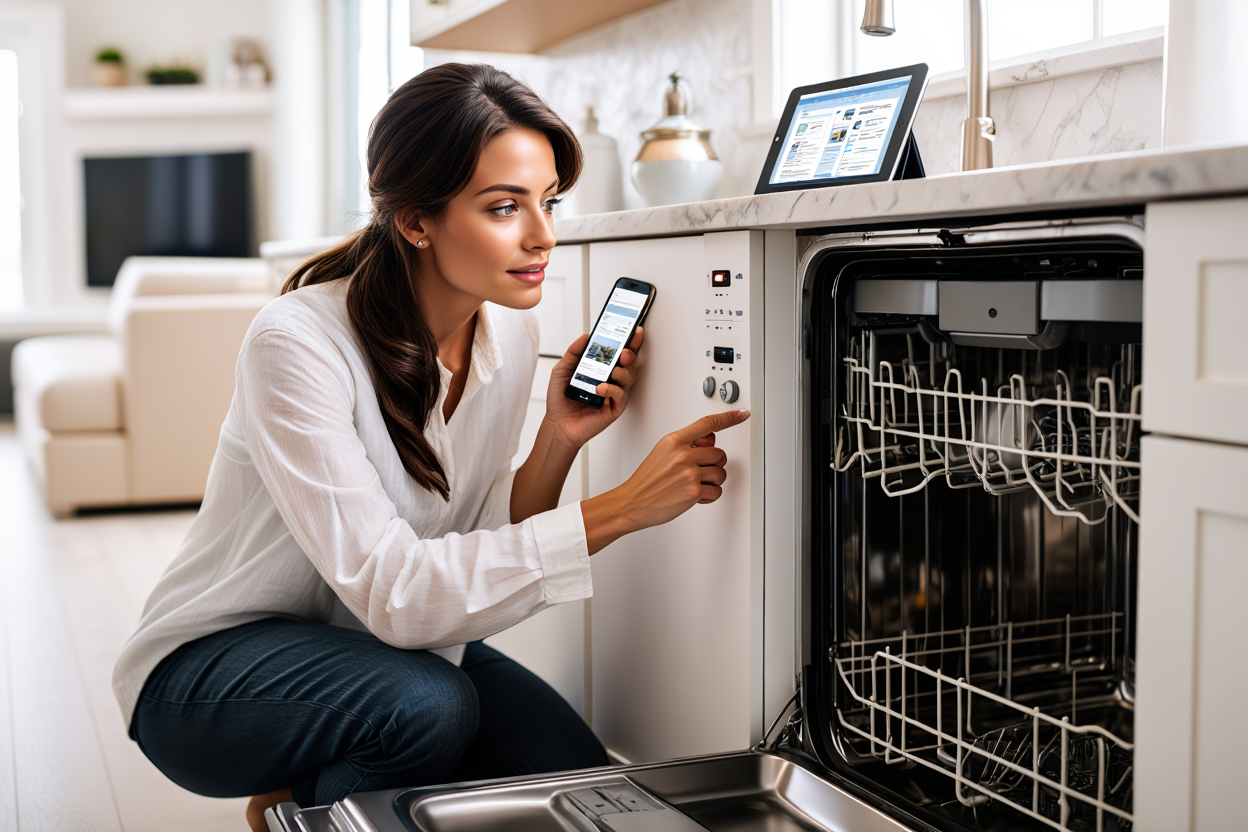
2. Dishwasher not cleaning dishes - clean filter and spray arms
Remove bottom dish rack, unscrew and lift out cylindrical filter, rinse under hot water with brush. Remove spray arms and clear holes with toothpick. Check for proper loading and rinse aid levels.
3. Garbage disposal jamming or not working - reset and clear blockages
Turn off power, insert Allen wrench in bottom center socket, rotate clockwise to clear jam. Press red reset button. Check for foreign objects with flashlight before restoring power.
4. Oven temperature inaccurate - calibrate or replace thermostat
Use oven thermometer to verify actual temperature vs. setting. Many ovens can be calibrated through control panel settings. Replace oven thermometer or call for service if calibration doesn't fix issue.
5. Range hood not removing smoke effectively - clean grease filters
Remove metal grease filters, soak in hot soapy water or run through dishwasher. Check that exhaust duct isn't blocked and replace charcoal filters in recirculating models every 6 months.
6. Washing machine not draining - clear lint trap and check hoses
Clean lint trap at bottom of machine (if equipped), check drain hose for kinks or clogs, ensure drain pipe isn't backing up. Run empty hot cycle with 2 cups white vinegar monthly.
7. Dryer taking too long - clean lint trap and exhaust vent
Clean lint trap after every load. Disconnect dryer, clean exhaust vent from outside with brush or vacuum. Check vent hose for crushing or excessive length (should be under 25 feet total).
8. Washing machine shaking violently - level and balance the unit
Check that all four feet are touching ground and adjust leveling legs. Ensure machine isn't overloaded and clothes are distributed evenly. Verify machine is on solid, level surface.
9. Dryer not heating - check power supply and lint blockages
Verify 240V power supply at breaker for electric dryers. Clean all lint from exhaust system. For gas dryers, ensure gas supply valve is open and pilot light is lit (if equipped).
10. Front-load washer developing mold smell - clean door seals and run cleaning cycle
Wipe down rubber door seal weekly with bleach solution. Leave door cracked open after use for air circulation. Run monthly cleaning cycle with washing machine cleaner or 2 cups bleach.
11. Air conditioner not cooling efficiently - change filters and clean coils
Replace air filter monthly during cooling season. Clean outdoor unit coils with garden hose (power off first). Check that return air vents aren't blocked by furniture or debris.
12. Water heater not producing hot water - check pilot light and elements
For gas units, relight pilot light following manufacturer instructions. For electric units, check circuit breakers and test heating elements with multimeter. Reset high-temperature cutoff switch if tripped.
13. Furnace not heating properly - check thermostat and change filter
Verify thermostat is set to heat mode and temperature is above room temperature. Replace furnace filter if dirty. Check that gas supply is on and pilot light is lit for gas units.
14. Toilet running constantly - adjust flapper and chain mechanism
Lift toilet tank lid and check that rubber flapper seals completely over drain. Adjust chain length so flapper closes properly but lift arm can raise it fully. Replace warped flappers.
15. Circuit breakers tripping repeatedly - identify overloaded circuits
List all devices on the tripping circuit and calculate total amperage. Move high-draw devices to other circuits. If tripping continues with reduced load, call electrician for potential wiring problems.
Bonus Tip
Keep a home appliance maintenance log with model numbers, purchase dates, warranty information, and maintenance schedules. Many appliance problems can be prevented with regular cleaning and filter changes. Take photos of working appliances before problems occur to help with troubleshooting later.
What to Avoid
- Never ignore strange noises, smells, or performance changes in appliances - small problems become expensive repairs when ignored
- Don't use appliances with frayed cords or loose connections - this creates fire and electrocution hazards
- Avoid overloading circuits with too many high-draw appliances on the same circuit breaker
- Never bypass safety features like thermal cutoff switches or pressure relief valves - they prevent dangerous failures
- Don't attempt gas appliance repairs beyond pilot light relighting - gas leaks require immediate professional attention