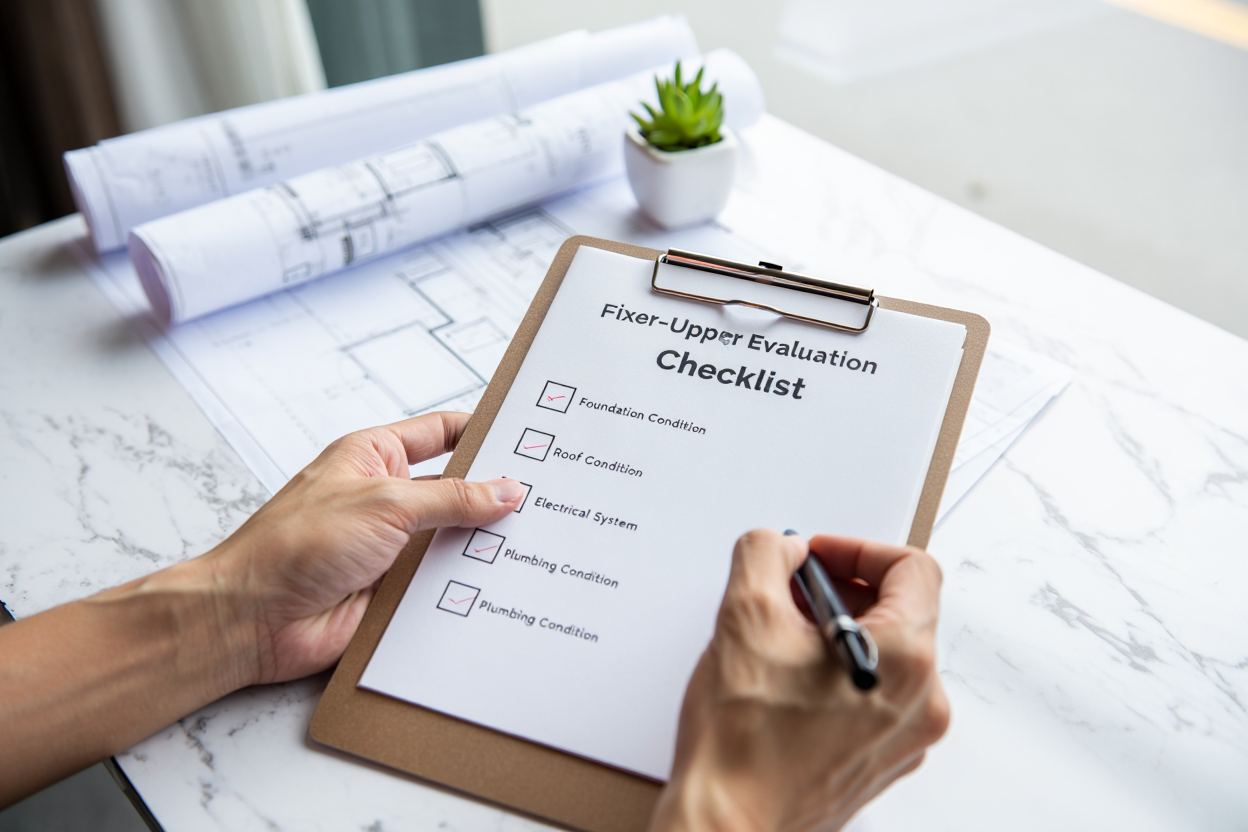
Fixer-Upper Evaluation Checklist — How to Tell a Good Deal from a Money Pit
Compare Auto Insurance Rates
Save up to 40%. Free quotes in minutes.
Structural Assessment
Structural issues are the most expensive to fix and the hardest to spot without experience. If any of these red flags appear, get a structural engineer's opinion before making an offer.
Mechanical Systems Evaluation
Plumbing, electrical, and HVAC are the three most expensive systems in a home. Updating one can cost $5,000–$25,000. Understand the current state before you bid.
Environmental and Safety Hazards
Homes built before 1980 commonly contain hazardous materials. Remediation adds cost and time to any renovation — ignoring them creates health and legal liability.
Renovation Budget and Financing
The purchase price of a fixer-upper is meaningless without a realistic renovation budget. Calculate your all-in cost and compare it to move-in-ready comparables.
Deal or No Deal — The Final Calculation
After inspections and estimates, do the math. A fixer-upper is only a good deal if the numbers work after accounting for everything.
💡 Pro Tips
Ugly is cheap — broken is expensive
The best fixer-uppers have terrible cosmetics and solid bones. Outdated wallpaper, pink bathroom tile, and shag carpet scare away most buyers but cost very little to fix. Foundation cracks, bad wiring, and plumbing failures look less dramatic but cost 10x more.
Walk the property with a contractor before your inspection period expires
A general home inspector tells you what's wrong. A contractor tells you what it costs to fix. Bring a contractor during the inspection period so you can negotiate based on real numbers, not guesses.
Check permit history before buying
Visit your local building department and pull the permit history. Unpermitted additions or modifications (enclosed garages, basement finishes, added bathrooms) may need to be torn out or retroactively permitted — both are expensive and time-consuming.
⚠️ Common Mistakes to Avoid
Underestimating renovation costs by 50% or more
First-time renovators consistently underestimate by 40–60%. They price materials at Home Depot but forget permits, demo, hauling, and the cost of making old houses meet current code. Always add a 20–30% contingency to your best estimate.
Renovating cosmetics before fixing systems
Installing a new kitchen before replacing 60-year-old plumbing means tearing out your beautiful new cabinets to access pipes when they inevitably fail. Fix what's behind the walls before touching what's in front of them.
Ignoring the neighborhood when calculating value
A $200,000 renovation in a $250,000 neighborhood won't return your investment. Your all-in cost should stay well below the ceiling price for the area. You can be the nicest house on the block, but the block sets the price ceiling.
Skipping environmental testing to save $500
Disturbing lead paint or asbestos without proper protocols during renovation can cost $10,000–$50,000 in remediation and create serious health hazards. The $500 in testing upfront is the cheapest insurance you'll ever buy.