Lower Electric Bill Cost Guide — Save Money in 2026
Talk to a Licensed Electrician
Licensed & insured. Free estimates available.
💰 Cost Breakdown
| Item | Low | Average | High |
|---|---|---|---|
| LED light bulb replacement Per bulb. Whole house typically $150-$300 total | $3 | $8 | $15 |
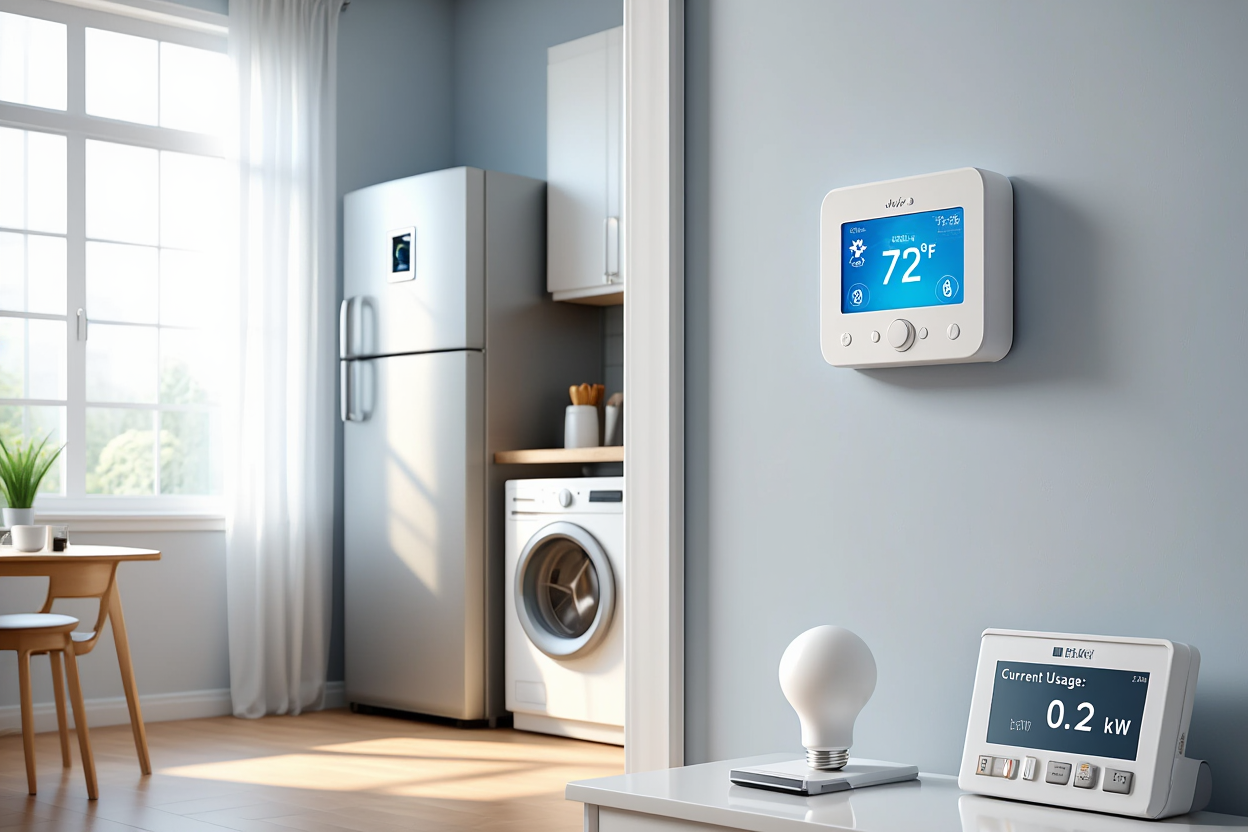
| Programmable thermostat Smart models cost more but offer better control | $80 | $150 | $300 |
| Air sealing with caulk/weatherstrip DIY materials. Professional sealing $300-$800 | $50 | $150 | $400 |
| Ceiling fan installation Per fan. Allows raising thermostat 3-4 degrees | $100 | $200 | $400 |
| Window treatments (thermal) Per window. Cellular shades most effective | $20 | $80 | $200 |
| Smart power strips Eliminates phantom loads from electronics | $25 | $45 | $80 |
| Water heater insulation blanket Easy DIY install. 5-10% hot water savings | $20 | $35 | $60 |
| Energy-efficient appliances Per major appliance. ENERGY STAR models | $400 | $800 | $1,500 |
| Duct sealing and insulation Professional service. 15-20% HVAC savings | $300 | $600 | $1,200 |
| Attic insulation upgrade R-38 to R-49. 2,000 sq ft home estimate | $800 | $1,500 | $3,000 |
| High-efficiency HVAC system 16+ SEER rating. Includes installation | $3,500 | $6,000 | $12,000 |
| Heat pump water heater 60-70% more efficient than standard electric | $1,200 | $2,200 | $3,500 |
| Whole house fan Reduces AC use in moderate climates | $400 | $800 | $1,500 |
| Solar panels (5kW system) After federal tax credit. Eliminates most bills | $12,000 | $18,000 | $25,000 |
| Energy monitoring system Identifies usage patterns and waste | $100 | $250 | $500 |
| Variable speed pool pump 70-90% savings on pool electricity | $800 | $1,200 | $2,000 |
| Electric vehicle charging optimization Time-of-use scheduling and Level 2 charger | $0 | $200 | $600 |
| Whole house surge protection Protects efficiency of electronics | $150 | $300 | $600 |
| Reflective roof coating Per sq ft. 10-15% cooling savings | $0.50 | $1.50 | $3.00 |
LED light bulb replacement
Per bulb. Whole house typically $150-$300 total
Programmable thermostat
Smart models cost more but offer better control
Air sealing with caulk/weatherstrip
DIY materials. Professional sealing $300-$800
Ceiling fan installation
Per fan. Allows raising thermostat 3-4 degrees
Window treatments (thermal)
Per window. Cellular shades most effective
Smart power strips
Eliminates phantom loads from electronics
Water heater insulation blanket
Easy DIY install. 5-10% hot water savings
Energy-efficient appliances
Per major appliance. ENERGY STAR models
Duct sealing and insulation
Professional service. 15-20% HVAC savings
Attic insulation upgrade
R-38 to R-49. 2,000 sq ft home estimate
High-efficiency HVAC system
16+ SEER rating. Includes installation
Heat pump water heater
60-70% more efficient than standard electric
Whole house fan
Reduces AC use in moderate climates
Solar panels (5kW system)
After federal tax credit. Eliminates most bills
Energy monitoring system
Identifies usage patterns and waste
Variable speed pool pump
70-90% savings on pool electricity
Electric vehicle charging optimization
Time-of-use scheduling and Level 2 charger
Whole house surge protection
Protects efficiency of electronics
Reflective roof coating
Per sq ft. 10-15% cooling savings
📊 Factors That Impact Cost
Home size and age
high ImpactLarger and older homes typically use 50-100% more electricity than newer, smaller homes
Climate zone
high ImpactHot climates see 40-60% of bills from cooling. Cold climates may use electric heat
Current efficiency level
high ImpactOlder homes with original systems have most savings potential
Utility rate structure
medium ImpactTime-of-use rates and tiered pricing affect which upgrades provide best ROI
Family size and habits
medium ImpactMore occupants and inefficient behaviors increase baseline usage
Local incentives
medium ImpactRebates and tax credits can reduce upgrade costs by 20-50%
💡 Money-Saving Tips
Start with no-cost behavior changes: raise thermostat 2-3 degrees, unplug devices, use cold water washing
Focus on the biggest energy users first: HVAC (50% of bill), water heating (18%), lighting/appliances (32%)
Audit your current usage with utility bill analysis or home energy monitor before making investments
Take advantage of utility rebates and financing programs - many offer 0% loans for efficiency upgrades
Seal air leaks before adding insulation - leaks can waste 30% of your heating and cooling energy
Consider time-of-use rates if your utility offers them - shift usage to off-peak hours for savings
Maintain your HVAC system regularly - dirty filters and coils can increase usage by 15-25%