Best Hearing Aids 2026 — Expert Reviews & Complete Guide
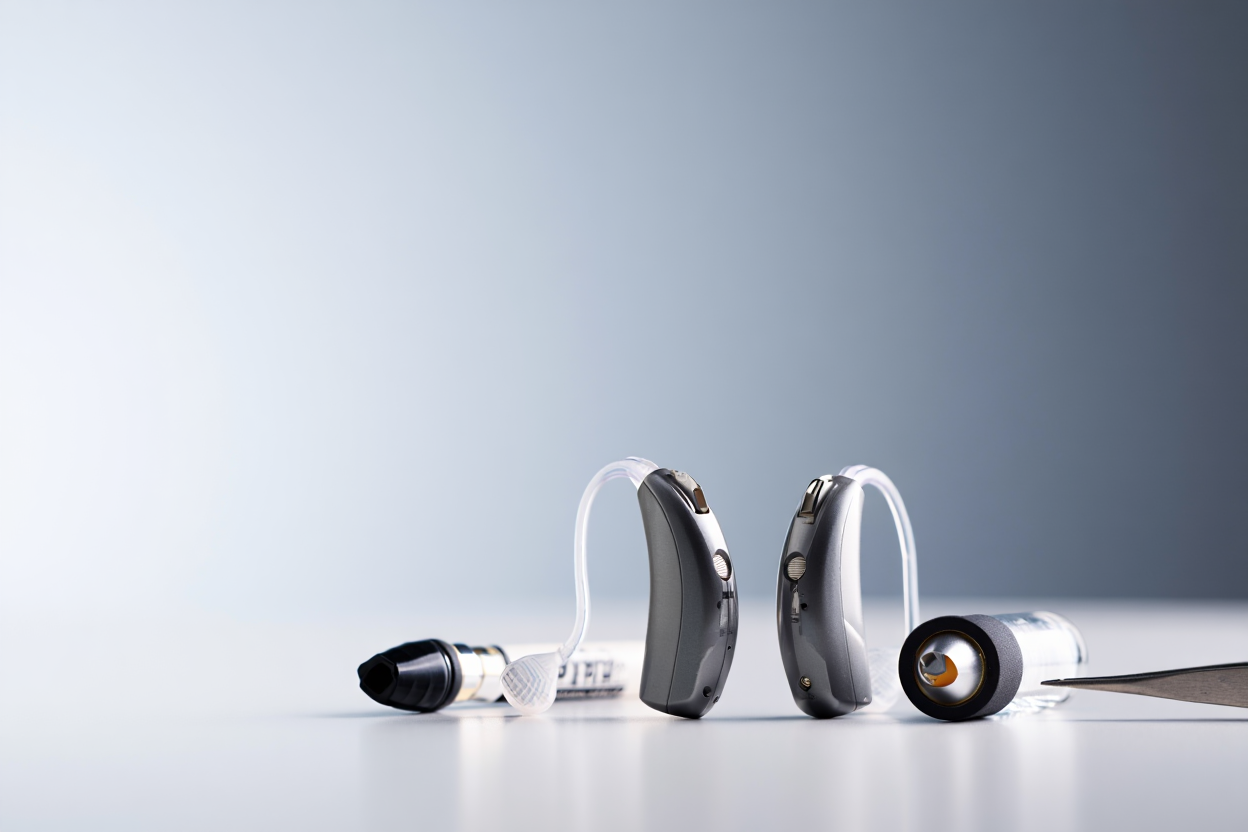
Compare the top-rated hearing aids of 2026 including prescription and OTC options. Our experts reviewed sound quality, battery life, app features, and value for every level of hearing loss.
Best Products
Phonak Audéo Paradise P90 Phonak
✓ Pros
- Best-in-class speech understanding in noise
- Universal Bluetooth connectivity
- Waterproof IP68 rating
- Tap control for hands-free calls
- Rechargeable with 16-hour battery
✗ Cons
- Premium price ($3,000-6,000/pair)
- Requires audiologist fitting
- App can be glitchy
Key Specifications
Our Verdict
The gold standard in prescription hearing aids — exceptional speech clarity, waterproof design, and seamless Bluetooth streaming from any device.
Starkey Genesis AI Starkey
✓ Pros
- AI adjusts sound 80 million times per hour
- Fall detection and activity tracking
- Excellent wind noise reduction
- Made in USA
- Natural sound quality
✗ Cons
- Expensive ($4,000-7,000/pair)
- Health features require smartphone
- Battery life slightly shorter than competitors
Key Specifications
Our Verdict
The most technologically advanced hearing aid available — uses edge AI to continuously optimize sound in real time, plus built-in health tracking sensors.
Jabra Enhance Plus Jabra
✓ Pros
- FDA-cleared OTC
- Discreet earbud design
- Excellent music and call quality
- Self-fitting via app
- Affordable at under $800
✗ Cons
- Only for mild to moderate loss
- No telecoil
- Limited to 10-hour battery
Key Specifications
Our Verdict
The best value OTC hearing aid — FDA-cleared, clinically validated, and looks like premium wireless earbuds.
Sony CRE-E10 Sony
✓ Pros
- Nearly invisible in-canal design
- Sony sound processing technology
- Easy self-fitting app
- Medical-grade components
- Solid battery life for CIC
✗ Cons
- Not for severe hearing loss
- Small size means small battery
- No Bluetooth streaming
Key Specifications
Our Verdict
Sony brings its audio expertise to hearing aids — this virtually invisible CIC model delivers surprisingly good amplification with simple app-based setup.
Lexie B2 Powered by Bose Lexie/Bose
✓ Pros
- Bose sound quality and noise reduction
- CustomTune self-fit technology
- World-class app experience
- Telehealth support included
- Comfortable all-day wear
✗ Cons
- Higher-priced for OTC category
- Monthly subscription optional but adds features
- Behind-ear style is visible
Key Specifications
Our Verdict
Bose audio engineering meets OTC accessibility — exceptional sound clarity with a surprisingly intuitive self-fitting process.
Widex Moment Sheer Widex
✓ Pros
- PureSound eliminates artificial echo
- Excellent for music appreciation
- SoundSense Learn AI
- Smallest rechargeable RIC
- Tinnitus relief built-in
✗ Cons
- Premium pricing
- App required for best experience
- Fewer fitting options than Phonak
Key Specifications
Our Verdict
Widex PureSound technology delivers the most natural, least processed sound of any hearing aid — ideal for music lovers.
MDHearing NEO XS MDHearing
✓ Pros
- Under $400 for a pair
- FDA-registered
- Rechargeable battery
- Background noise reduction
- 45-day risk-free trial
✗ Cons
- Basic feature set
- No Bluetooth streaming
- Plastic build quality
- Limited customization
Key Specifications
Our Verdict
Audiologist-designed but priced for accessibility — genuine hearing aid technology under $400.
Oticon Real Oticon
✓ Pros
- BrainHearing technology
- Excellent wind and handling noise reduction
- 360-degree sound awareness
- Fast charging
- Strong telecoil option
✗ Cons
- Premium price
- Larger than some competitors
- App could be more intuitive
Key Specifications
Our Verdict
Oticon BrainHearing technology processes sound the way your brain naturally works — reducing listening effort and fatigue.