Best Camping Stoves in 2026 — Top 8 Reviewed
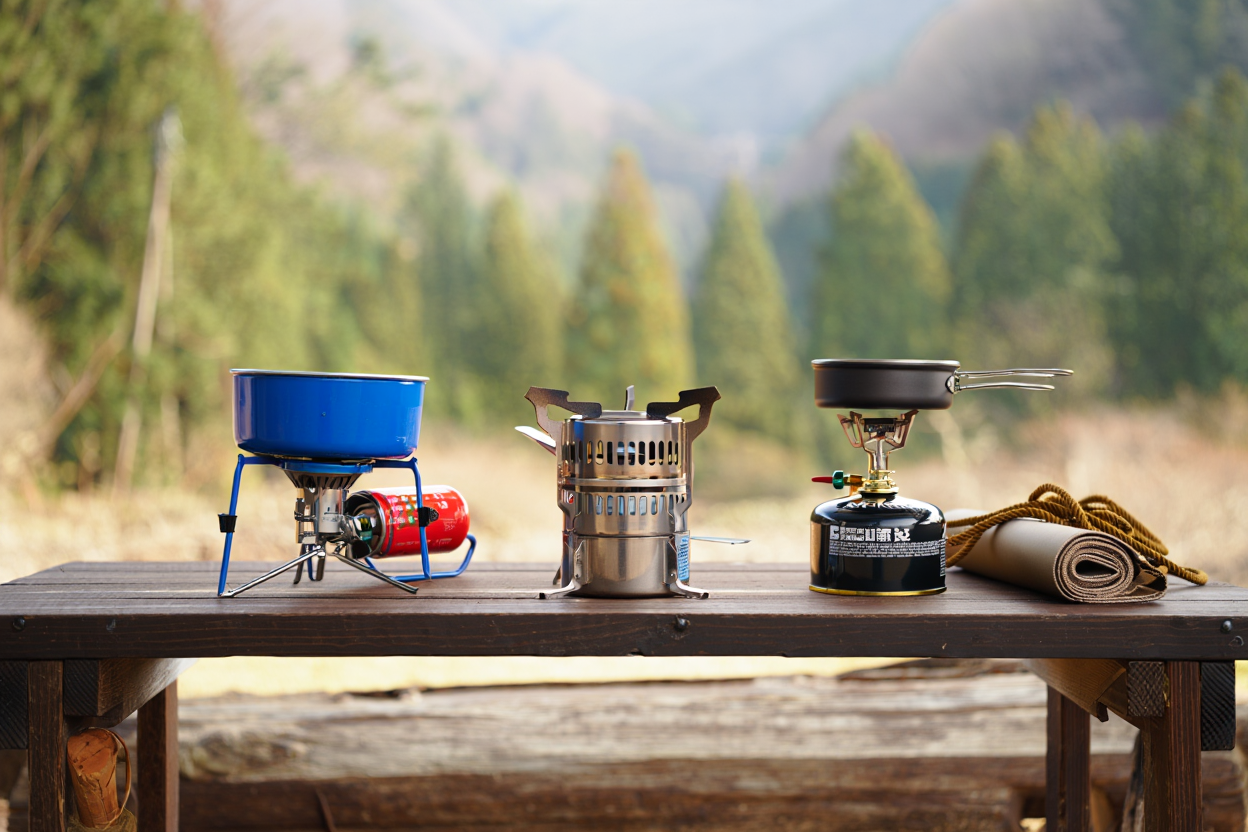
Best Products
#1
Best Overall
Coleman Triton+ 2-Burner Propane Camping Stove Coleman
$89-$119
✓ Pros
- Great value
- Good wind guards
- Strong burner output
✗ Cons
- Bulkier than compact options
- No carrying case included
Key Specifications
weight 11.4 lbs
burners 2
ignition Matchless push-button
fuel_type 16.4oz propane canister
total_btu 22,000 BTU
simmer_control Improved vs older Triton
Our Verdict
Best all-around choice for most campers who want dependable dual-burner performance.
#2
Best Power
Camp Chef Everest 2X Camp Chef
$179-$219
✓ Pros
- Very high BTU output
- Excellent build quality
- Great for larger cookware
✗ Cons
- Heavier
- More expensive
Key Specifications
weight 13 lbs
burners 2
ignition Piezo
fuel_type Propane
total_btu 40,000 BTU
wind_protection 3-sided
Our Verdict
Top pick if you want restaurant-like heat outdoors and cook for groups.
#3
Best Simmer Control
Eureka Ignite Plus Eureka
$149-$189
✓ Pros
- Excellent flame control
- Large cooking surface
- Reliable ignition
✗ Cons
- Not ultralight
- Premium price tier
Key Specifications
weight 12 lbs
burners 2
ignition Push-button
fuel_type Propane
total_btu 20,000 BTU
cook_surface Fits 12-inch pans
Our Verdict
Great for campers who actually cook, not just boil water.
#4
Best for Fast Boils
Jetboil Flash Cooking System Jetboil
$119-$149
✓ Pros
- Very fast boil time
- Compact integrated design
- Fuel efficient
✗ Cons
- Limited for skillet cooking
- Small capacity
Key Specifications
weight 13.1 oz
burners 1 integrated
capacity 1L
boil_time ~100 sec per 0.5L
fuel_type Isobutane canister
Our Verdict
Perfect for solo/duo campers focused on coffee, dehydrated meals, and speed.
#5
Best Budget Backpacking Stove
MSR PocketRocket 2 MSR
$49-$69
✓ Pros
- Ultralight
- Very packable
- Proven reliability
✗ Cons
- No built-in windscreen
- Not ideal for big pots
Key Specifications
weight 2.6 oz
burners 1
ignition Manual
boil_time ~3.5 min per liter
fuel_type Isobutane
Our Verdict
Best value pick for backpackers who want simplicity and low weight.
#6
Best Multi-Use
BioLite CampStove 2+ BioLite
$139-$169
✓ Pros
- Burns twigs/biomass
- Can charge small devices
- Off-grid friendly
✗ Cons
- More setup effort
- Less consistent heat than gas
Key Specifications
weight 2.06 lbs
battery Integrated power pack
fuel_type Biomass
fan_assist Yes
usb_output Yes
Our Verdict
Good specialty option for campers who prioritize fuel independence.
#7
Best Emergency Backup
Gas One GS-3400P Dual Fuel Portable Stove Gas One
$39-$59
✓ Pros
- Butane or propane
- Very affordable
- Compact
✗ Cons
- Single burner only
- Lower cooking surface stability
Key Specifications
weight 3.1 lbs
burners 1
ignition Piezo
fuel_type Butane + propane
carrying_case Included
Our Verdict
Great emergency and quick-trip stove that’s easy to stash in a vehicle.
#8
Best Premium Build
Primus Tupike 2-Burner Stove Primus
$279-$329
✓ Pros
- Excellent construction
- Beautiful design
- Great simmer capability
✗ Cons
- Expensive
- Niche for most users
Key Specifications
body Stainless steel + oak laths
weight 9.6 lbs
burners 2
fuel_type Propane
total_btu ~20,500 BTU
Our Verdict
Premium choice for frequent campers who want top-tier fit and finish.
Frequently Asked Questions
Is propane or butane better for camping stoves?
Propane performs better in colder weather and is more common for car camping. Butane/isobutane canisters are lighter and better for backpacking.
Do I need a two-burner stove?
If you camp with family or cook full meals, yes. Solo or minimalist campers can save space with a single-burner system.
How much fuel should I bring?
For weekend car camping, one or two 16.4oz propane canisters usually covers typical cooking. Bring extra in cold/windy conditions.
Are camping stoves safe inside a tent?
No. Never run combustion stoves inside enclosed tents due to carbon monoxide risk and fire hazards.
Can I use a camping stove during burn bans?
Often yes if regulations allow contained gas appliances, but always verify local fire rules before your trip.
How do I improve stove performance in wind?
Use natural windbreaks, built-in shields, and keep pot lids on to reduce heat loss and fuel consumption.